Colosseum + Forum + Palatine
The core ancient-Rome block is where guided context pays for itself. You can do it alone, but the story density is high and official premium access disappears quickly in peak season.
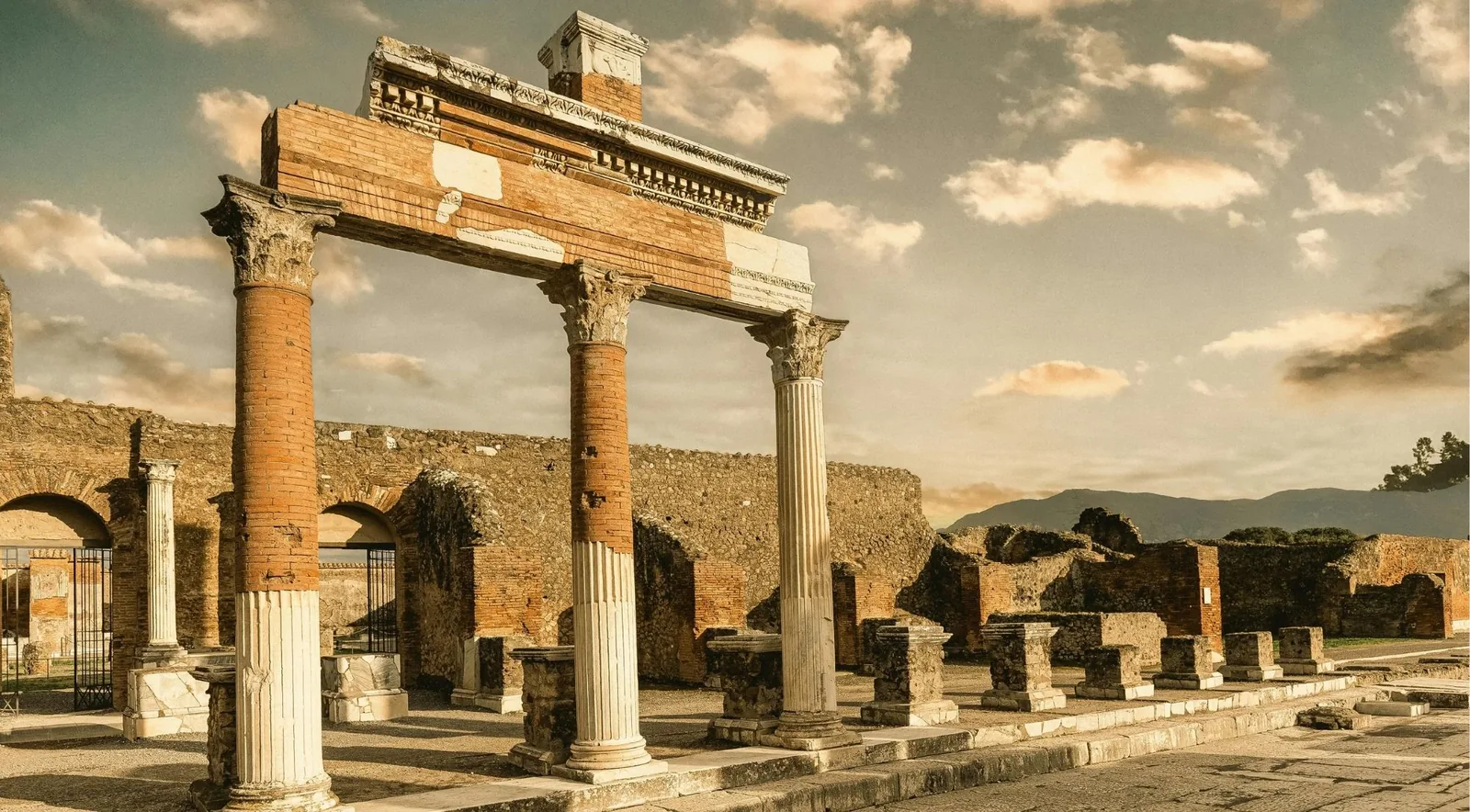
Rome is where overbooking yourself gets expensive fast. The best approach for most first-timers is to lock in one serious Ancient Rome experience and one serious Vatican experience, then leave the historic centre walkable and flexible. Trevi Fountain, Piazza Navona, the Spanish Steps, Trastevere and the Pantheon area are at their best when you are not racing through them under a headset.
If your real non-negotiable is Pompeii from Rome, say that early and plan around it. A long southbound day trip can be worth the time, but only after you've accepted what it costs you inside Rome itself.
The benchmark that changes the advice: with only 2 full days in Rome, skip the day trip. With 3 or more, day-trip decisions become reasonable rather than reckless.
These are the places where advance planning actually changes the day.
The core ancient-Rome block is where guided context pays for itself. You can do it alone, but the story density is high and official premium access disappears quickly in peak season.
The Vatican is the second place where a guided or early-access format can genuinely improve the experience instead of just adding cost.
Trevi, Pantheon, Piazza Navona, the Jewish Ghetto and Trastevere are better treated as self-guided wandering, perhaps with one orientation walk on your first day.
Pompeii, Tivoli, Ostia Antica and the Amalfi Coast all have a case. The question is never whether they are good, but whether they are better than a full extra day inside Rome.
Rome is a city where paying selectively beats paying constantly.
| Experience | Book ahead? | Guide worth it? | Why |
|---|---|---|---|
| Colosseum + Forum + Palatine | Yes | Usually yes | Ticket pressure is real, and context dramatically improves what you are seeing. |
| Vatican Museums + Sistine Chapel | Yes | Often yes | Crowd management and route control matter here more than almost anywhere in Rome. |
| Historic-centre walking | No | Only if you want orientation | Most of the value is in unstructured walking, not in paying to march between free sights. |
| Day trips from Rome | Depends | Often yes | Transport and logistics, especially to Pompeii or the Amalfi Coast, are where guided trips earn their keep. |
For this site's audience, the southern route matters most: Pompeii, Vesuvius, Sorrento and the Amalfi Coast.
Pompeii is the major-history day trip that most justifies the distance. Tivoli and Ostia Antica are easier and less punishing, but Pompeii is the one you build the long day around if it is a genuine priority. The real trap is pretending you can add too much to it from Rome; every extra stop subtracts from your time where it matters most.
The strongest local tour-data fit in this repo is still the Rome to Pompeii family of products, especially the versions that pair the ruins with Mount Vesuvius or the Amalfi Coast. That is why this page does not pretend to recommend Colosseum or Vatican bookables from project data it does not actually contain.
The practical rule: if Pompeii is the trip, choose either Pompeii + Vesuvius or Pompeii + coast scenery, not a maximalist three-stop fantasy that turns the day into motorway time.
This is the template that keeps first-timers from wasting hours in avoidable lines.
Start with either Ancient Rome or the Vatican, not both at once. If your preference is history in open air, go Colosseum/Forum/Palatine first. If your preference is art, start Vatican-side as early as possible.
Once the anchor is done, move into the historic centre without another formal booking unless you are deeply committed to squeezing in the second anchor. Rome works better when part of the day remains unprogrammed.
Pantheon district, Piazza Navona, Trevi Fountain and Trastevere are where Rome gives you back the time it took at the ticketed giants.
Trying to do both the Vatican and Ancient Rome deeply in one day is possible, but joyless. For most travelers, one anchor plus free Rome beats two rushed anchors.
If you are building a wider Rome-based trip, the obvious related experiences are the Colosseum, Roman Forum, Vatican Museums, St. Peter's Basilica, Trastevere, Ostia Antica, Tivoli, and the bigger southern days to Pompeii, Mount Vesuvius, Sorrento and the Amalfi Coast. The auto widget below is there to surface that wider menu rather than force one narrow Rome booking shape.
Four practical filters that save money and regret.
The Colosseum and Vatican are where spontaneity is most likely to punish you. The rest of Rome is much more forgiving.
A guide is worth it where interpretation matters. It is not automatically worth it for every square and fountain in the historic centre.
Every day trip from Rome should be compared against a full extra day in Rome itself, because that is the real cost.
"Skip the line" and "guided" can describe very different products. For Rome day trips especially, what matters is who handles the tickets, transport and on-site explanation.
First-timer questions, answered without pretending every paid tour is equally necessary.
The two that most reward advance booking are Ancient Rome and the Vatican. Those are the places where official availability pressure is real and where a guide can do more than just walk you from one photo stop to another.
Not to enter, no. But they are the two places where guided formats most often justify their markup. At the Colosseum the story and premium-access layers matter; at the Vatican, route control and timing matter. Everything else should clear a higher bar.
Usually only if they have at least 3 full days in Rome. With less time, use the capital properly first. With more time, day trips become a real choice rather than a self-inflicted squeeze.
For this site's audience, it is still a Pompeii day trip from Rome with a carefully chosen second stop rather than an overstuffed third. If Pompeii is the reason, see our dedicated guide to Pompeii tours from Rome. If Rome itself is also a major base for you, this broader page is the right planning layer above it.